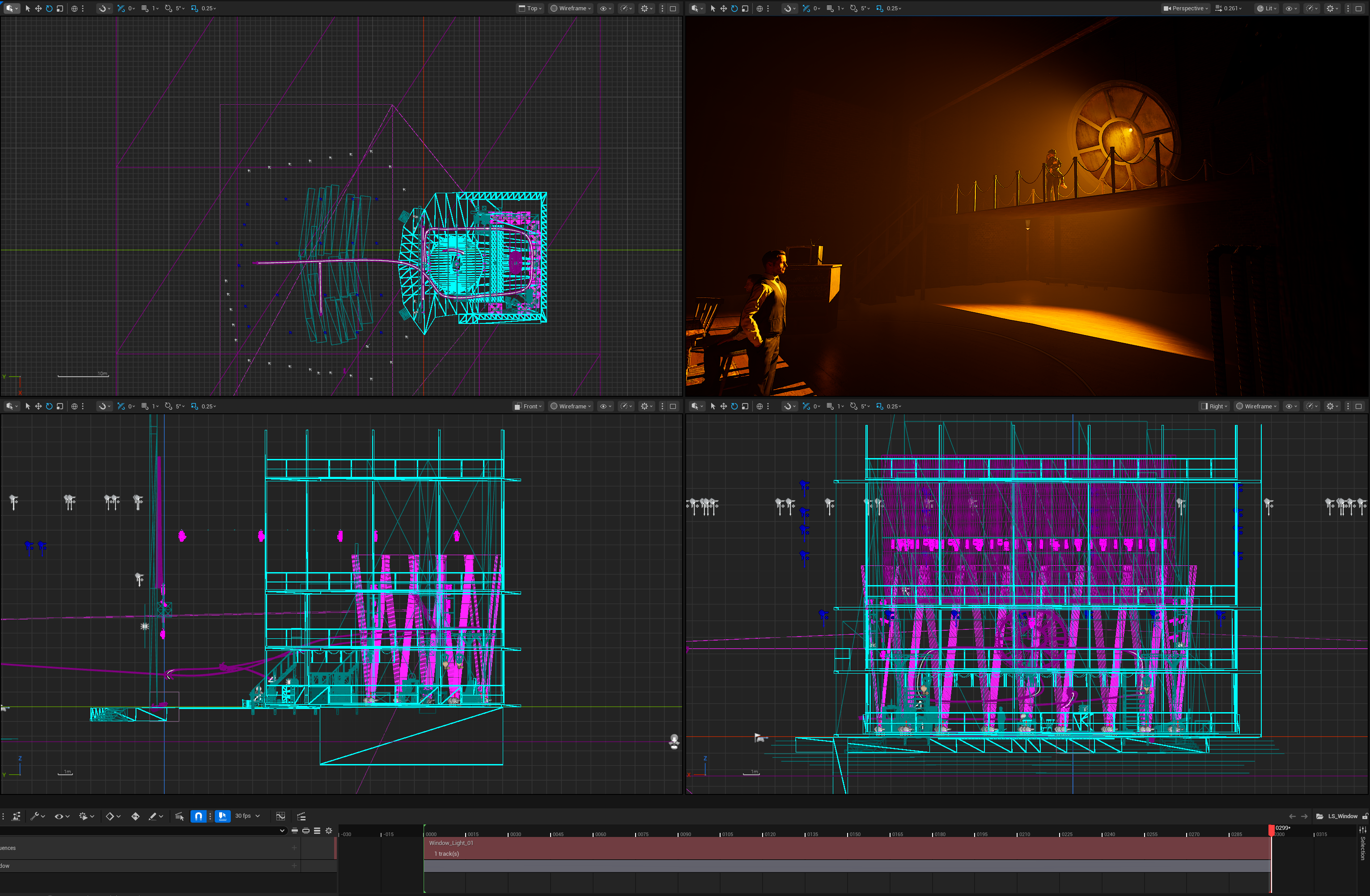
3D-Simulation

Bringing show planning closer to reality

Our new simulation tool brings lighting, media, CAD data, and venues together in one unified 3D environment.
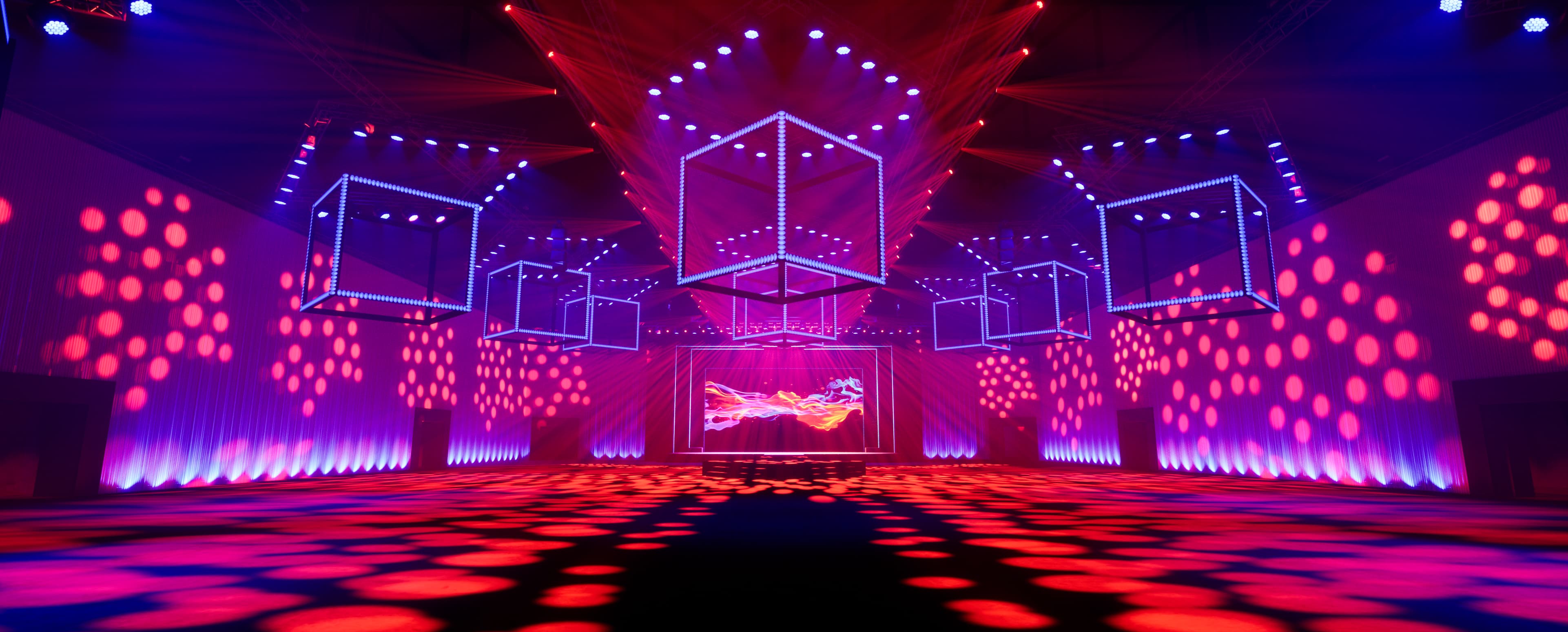
With realistic lighting simulation in Unreal Engine, direct integration of show data, true-to-scale dimensions, and browser-based access to prepared content, it enables faster, more confident decisions — before setup at the venue even begins.

We are currently presenting an early stage of the tool. Some features are already ready for production use, while others are part of the next phase of development.
The demo already shows how real show data, media content, and a 3D environment can work together today.

View demo

Current status of features

00

Realistic lighting simulation

Built on Unreal Engine, the simulation delivers visually rich, highly detailed results with realistic lighting behavior.

00

Show data directly inside the simulation

sACN and Art-Net can already be fed into the simulation environment, currently in a local setup. This allows real show data to be tested, reviewed, and evaluated directly within the simulation.

00

Media integration via NDI

Video and media content can also be integrated, currently also in a local setup, and assessed in context with the room, stage, and lighting.

00

A seamless CAD workflow

Vectorworks files, MVR, and GDTF can be integrated directly into the workflow and referenced in the simulation. Changes to this data become immediately visible and can be assessed in real time.

00

Browser-based access

Prepared content and scenes from the 3D world can be accessed and displayed directly in a browser—without the need for a high-end workstation. Also on mobile devices.

00

Digital twins of real venues

We are already working with high-resolution 3D laser scans to digitally recreate real event venues. This creates significant value for planning and simulation. While this area is still evolving, it already points clearly toward the future of the platform.

00

Realistic lighting simulation

Built on Unreal Engine, the simulation delivers visually rich, highly detailed results with realistic lighting behavior.

00

Show data directly inside the simulation

sACN and Art-Net can already be fed into the simulation environment, currently in a local setup. This allows real show data to be tested, reviewed, and evaluated directly within the simulation.

00

Media integration via NDI

Video and media content can also be integrated, currently also in a local setup, and assessed in context with the room, stage, and lighting.

00

A seamless CAD workflow

Vectorworks files, MVR, and GDTF can be integrated directly into the workflow and referenced in the simulation. Changes to this data become immediately visible and can be assessed in real time.

00

Browser-based access

Prepared content and scenes from the 3D world can be accessed and displayed directly in a browser—without the need for a high-end workstation. Also on mobile devices.

00

Digital twins of real venues

We are already working with high-resolution 3D laser scans to digitally recreate real event venues. This creates significant value for planning and simulation. While this area is still evolving, it already points clearly toward the future of the platform.

    Our Vision

    Even today, the tool already provides a powerful environment for simulation and presentation. In the long term, it is intended to become a shared workspace for productions.
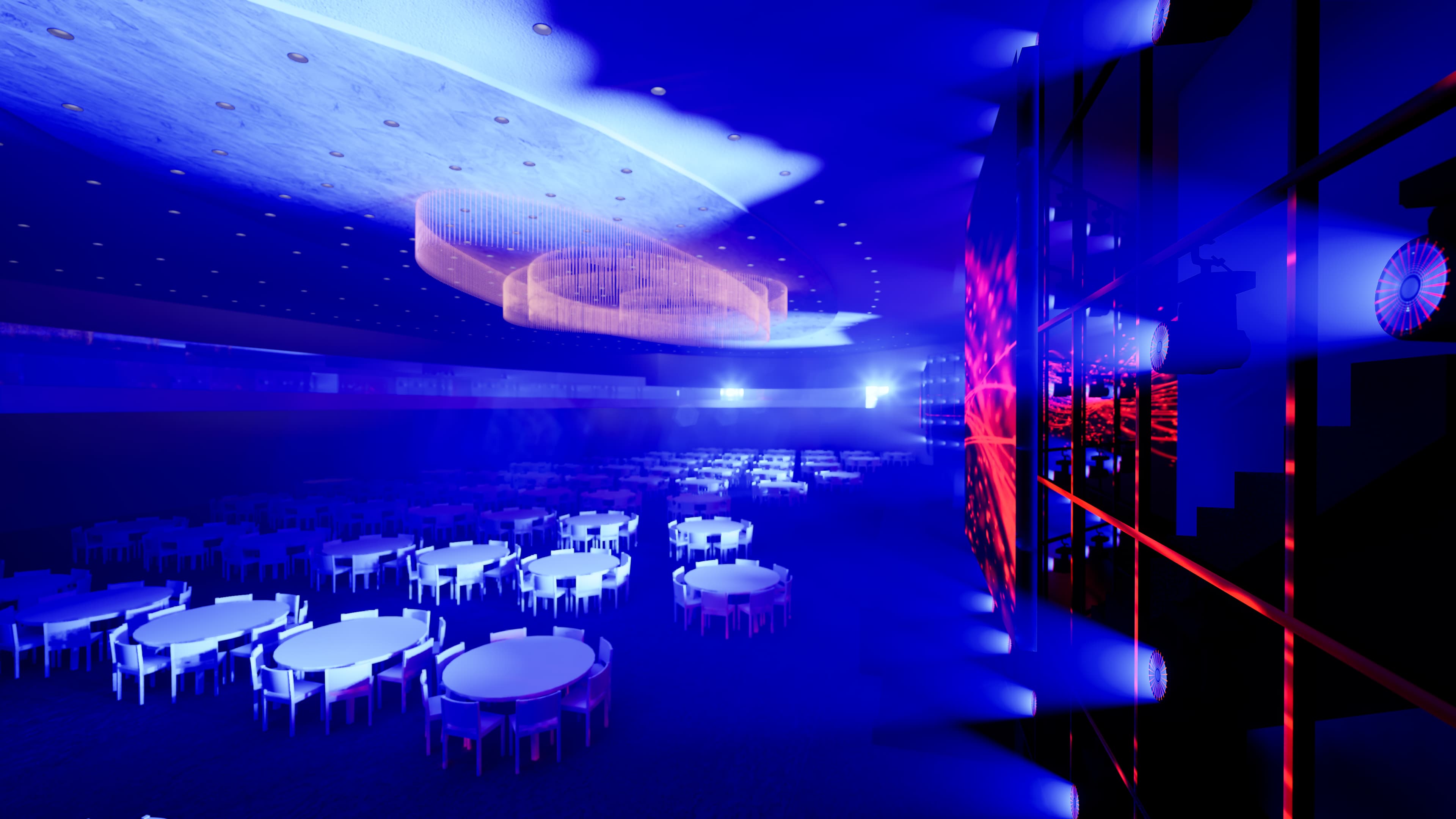
    Our goal is to enable multiple people to work on the same project simultaneously, from different locations and across different disciplines:
    lighting, video, SFX, automation, camera, direction, show call — or simply from the audience perspective.
    Not all of this has been implemented yet.
    But this is exactly the direction in which we are developing the system, step by step.

    Less coordination on site.

    Less turnaround time between productions.

    Less time required at the venue.

    And above all: better decisions can be made earlier and with greater confidence.

    Honest Status

    We are deliberately sharing the current state of the tool already now. Not because everything is finished, but because its potential is already becoming clear. Part of the vision is already in use, and further building blocks will follow.
    Making that development transparent from the very beginning is an important part of how we work.